Why are brewers pouring into adjacent categories?
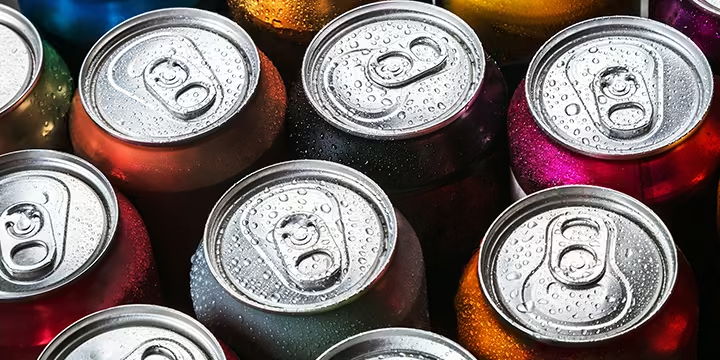
In recent years, the traditional beer aisle has undergone a quiet but significant transformation. Premium mixers, functional beverages, and alcohol-free innovations are booming, changing an industry once dominated by pilsners and lagers. The world’s biggest brewing companies are leading the way, pivoting beyond their core products to tap into adjacent categories at speed.
Beyond beer
As consumer tastes evolve, major breweries are exploring new avenues beyond traditional beer sales. Recognising that drinking occasions now extend beyond the pub, companies are seeking to attract health-conscious and younger consumers to diversify revenue in a competitive market.
Take Heineken, for example. Long known for its premium lager, the Dutch giant has been making strategic moves in the non-alcoholic and wellness spaces. Its joint ventures with Served - a vodka-based ready to drink (RTD) made with wonky fruit and Tenzing (a plant-based energy drink brand) demonstrate a clear commitment to premium, health-aligned brands that resonate with Gen Z and millennial audiences.
Meanwhile, Molson Coors has embraced a broader ‘beverage company’ identity. It’s made headlines through partnerships with non-beer brands such as Fever-Tree, allowing it to take part in the booming home cocktail and premium mixer markets. It’s a savvy move: these categories often enjoy higher margins and greater versatility than traditional beer.
Carlsberg’s merger with Britvic is another significant change. By joining forces with one of the UK’s largest soft drinks companies, Carlsberg gains access to a diverse portfolio of functional and flavour-driven beverages, from Robinsons squash to J₂O. They are increasing their market share and increasing their relevance across multiple consumption moments, from daytime refreshment to evening mixers.
Strategic motives
The rationale behind these expansions is multifaceted:
Consumer behaviour is changing
Alcohol moderation is on the rise, and ‘sober-curious’ lifestyles are mainstream. Products that offer flavour, functionality, or sophistication without the ABV are in high demand.
Margin and growth potential
Adjacent categories - such as mixers, energy drinks, and alcohol-free RTDs - often deliver better margins than core beer segments.
Distribution advantages
Brewers already have well-established supply and distribution networks. Integrating these new formats into existing networks allows for scalable growth.
Brand diversification
A broader brand portfolio cushions brewers from declining beer trends and sharpens their appeal to retailers looking for variety.
What this means for the industry
As brewers continue to reimagine their role in the wider drinks ecosystem, we’re seeing a blurring of category lines and a redrawing of what a ‘beer company’ really is.
I predict this strategic move will increase cross-category innovation, result in surprising partnerships, and a see a growing emphasis on wellness, sustainability, and lifestyle positioning. The traditional brewery model is being reshaped and widened to meet the next decade of consumer demand.
For those of us in the drinks business, it’s an exciting moment. The taproom is expanding, and the possibilities are almost endless.